
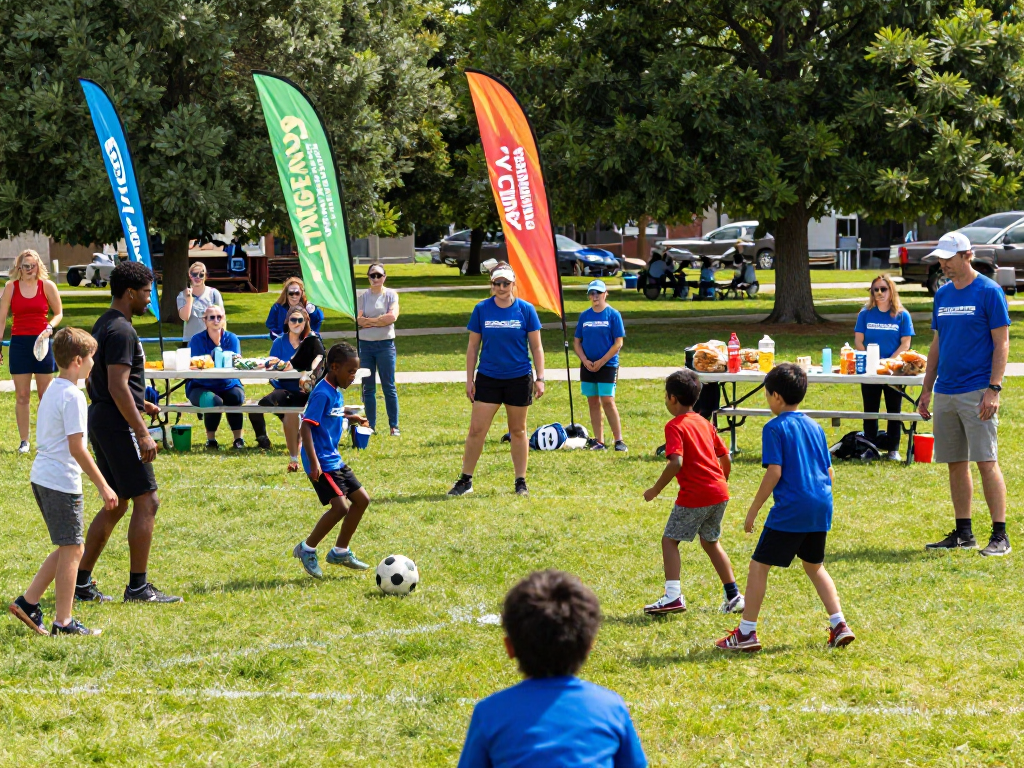
Understanding the Concept of Fair Play
Fair play is a term that resonates deeply not only in sports but also in various aspects of life. It embodies the essence of honesty, integrity, and respect, serving as a foundation for building strong relationships, whether on the field or in everyday interactions. This article explores the nuances of fair play, its significance in sports, and the broader community, while also addressing the challenges and best practices for promoting this vital principle. For more insights on this topic, visit Fair play.
Defining Fair Play in Sports
Fair play in sports involves adherence to the rules, respect for opponents, and promoting a spirit of camaraderie and competition. It's not just about winning; it's about how the game is played. Fair play emphasizes mutual respect, ethical behavior, and sportsmanship. This concept extends beyond the surface, pushing athletes and teams to maintain integrity and accountability, which ultimately enriches the sporting experience.
The Importance of Fair Play for Athletes
For athletes, fair play is crucial for several reasons. It ensures a level playing field, where the outcomes of competitions are determined by skill rather than deceit. Athletes who embody fair play are seen as role models, promoting healthy behavior among peers and younger athletes. Furthermore, fair play fosters a positive sporting environment, encouraging participation and enjoyment over mere competitiveness.
Common Misconceptions About Fair Play
There are several misconceptions surrounding fair play that can undermine its importance. Many people believe that fair play detracts from the competitive spirit, while in fact, it enhances competition by ensuring that all participants are committed to playing ethically. Additionally, some think that fair play is solely about following the rules, overlooking the essential aspect of respect – for the game, for officials, and for fellow competitors.
Benefits of Fair Play in Community Sports
In community sports, fair play acts as a catalyst for fostering relationships and developing skills. The principle contributes significantly to creating a supportive atmosphere where everyone feels valued, regardless of their skill level. This environment of respect and encouragement leads to several key benefits.
Building Trust and Unity Among Participants
One of the foremost benefits of fair play in community sports is the trust it builds among participants. When players engage in fair play, they create a strong sense of unity and camaraderie. This trust fosters teamwork, enhances communication, and strengthens bonds, leading to more cohesive groups that work together towards common goals.
Encouraging Healthy Competition
Fair play encourages healthy competition, which is vital for personal development and community growth. When individuals compete respectfully, it motivates them to improve their skills and achieve their personal best, rather than focusing solely on defeating others. This healthy attitude towards competition can spill over into other areas of life, promoting perseverance and resilience.
Enhancing the Experience for Spectators
Spectators play a crucial role in community sports, and their experience is greatly enhanced by the presence of fair play. Games characterized by good sportsmanship create an exciting and positive atmosphere for fans, encouraging greater participation, attendance, and support for local teams. This can lead to increased community engagement and pride in local sports initiatives.
Challenges to Implementing Fair Play
While fair play is essential, implementing it effectively within sports can present various challenges. Understanding these challenges is the first step toward overcoming them.
Overcoming Resistance from Competitors
One significant challenge is overcoming resistance from competitors who may prioritize winning at all costs. This mindset can lead to unethical behaviors and practices that compromise the principles of fair play. It is crucial for coaches, officials, and sports organizations to emphasize the benefits of fair play and create a culture that rewards ethical behavior.
Addressing Inequities in Sports
Another challenge is addressing inequities that exist within sports. Factors such as socioeconomic status, access to training facilities, and biases can create unfair advantages and disadvantages. To promote fair play, communities must work towards creating opportunities that allow all participants equal chances to compete and succeed.
Combating Negative Influences and Attitudes
Negative influences, such as the glorification of winning over sportsmanship, can undermine efforts to promote fair play. Educating players, coaches, and spectators about the importance of fair play and its long-term benefits is essential for combating these attitudes and fostering a more positive sporting culture.
Best Practices for Promoting Fair Play
To effectively promote fair play, it is essential to implement proven strategies that engage all stakeholders in the sporting community.
Creating Educational Programs for Youth
Educational programs aimed at youth are one of the most effective ways to instill the values of fair play. These programs can include workshops, seminars, and hands-on activities that emphasize the importance of ethics, respect, and sportsmanship in sports. By teaching young athletes these principles early on, we can cultivate a new generation of fair competitors.
Involving Parents and Community Leaders
Involving parents and community leaders is vital in promoting fair play. Parents can model good sportsmanship for their children, while community leaders can advocate for policies and practices that prioritize fairness in sports. By creating a supportive network, communities can ensure that fair play is upheld both on and off the field.
Utilizing Technology to Foster Fairness
Technology can play a significant role in promoting fair play. Innovations such as instant replay, advanced analytics, and wearable technology can enhance transparency and help maintain a level playing field. Furthermore, online platforms can facilitate education and awareness campaigns that highlight the importance of fair play in sports.
The Future of Fair Play in Sports
As we look to the future, it is essential to consider how fair play will evolve in the context of emerging trends and societal changes.
Emerging Trends and Innovations for 2026
By 2026, we can expect to see a greater integration of technology in sports, which will help reinforce the principles of fair play. From advanced officiating tools to automated systems that monitor compliance with rules, these innovations will help ensure that fairness remains at the forefront of competitive sports.
Role of Social Media in Promoting Fair Play
Social media has become a powerful tool in recent years, and its role in promoting fair play cannot be overlooked. Platforms can be utilized to share positive stories, highlight role models, and raise awareness about the importance of ethics in sports. By leveraging social media effectively, communities can foster a culture that celebrates fair play.
Case Studies of Successful Fair Play Initiatives
Examining successful case studies from around the world can provide valuable insights into effective strategies for promoting fair play. For example, certain sports organizations have implemented comprehensive fair play policies that include education, recognition programs, and community outreach, resulting in significant improvements in sportsmanship and integrity.
What are the key principles of fair play in sports?
The key principles of fair play include respect for opponents and officials, adherence to the rules, integrity in gameplay, and fostering a spirit of camaraderie and competition. Upholding these principles is essential for creating a positive and ethical sporting environment.
How can communities effectively promote fair play?
Communities can effectively promote fair play by creating educational programs, involving parents and community leaders, and leveraging technology to foster a culture of fairness and respect. Building a supportive network that emphasizes the values of fair play is crucial for long-term success.
What impact does fair play have on youth sports?
Fair play has a profound impact on youth sports, encouraging positive behaviors and attitudes that extend beyond the field. It helps young athletes develop respect for themselves and others while promoting teamwork, resilience, and an appreciation for the game.
What challenges might arise when implementing fair play practices?
Challenges to implementing fair play practices include resistance from competitors focused solely on winning, inequities in access to resources, and negative influences that prioritize winning over sportsmanship. Addressing these challenges requires a comprehensive approach involving education, advocacy, and community support.
How can technology assist in promoting fair play?
Technology can assist in promoting fair play through tools that enhance transparency and accountability, such as advanced officiating systems and analytics. For more information, FairPlay offers valuable insights. Additionally, social media platforms can be used to raise awareness and celebrate positive behaviors that exemplify fair play.